


InJourney Tourism Development Corporation (ITDC), as a member of InJourney Group, continues to strengthen its commitment to implementing sustainable tourism principles at The Nusa Dua, Bali.
For more than 53 years, this commitment has been demonstrated through various initiatives in environmental management, resource efficiency, nature and cultural preservation, as well as community empowerment. Through responsible and long-term-oriented management, ITDC strives to maintain a balance between tourism growth, environmental sustainability, and community welfare, while further strengthening The Nusa Dua’s position as a world-class tourism destination.
The consistency of these efforts has led The Nusa Dua to achieve sustainable tourism destination certification based on the Global Sustainable Tourism Council (GSTC) standards in 2026, making it the first destination in Indonesia to obtain GSTC certification at the destination level.
This achievement represents international recognition of ITDC’s commitment and consistency in implementing sustainable tourism principles, while further strengthening the quality of The Nusa Dua’s management as a responsible tourism destination with global competitiveness.
Commenting on this achievement, ITDC Acting President Director Ahmad Fajar emphasized that sustainability is an integral part of ITDC’s destination development and management direction.
“Based on the assessment results, The Nusa Dua area has been declared to meet the requirements for sustainable tourism destination certification under the Global Sustainable Tourism Council (GSTC) standards. Being recognized as the first certified tourism destination in Indonesia represents international recognition as well as validation of ITDC’s commitment to implementing sustainability principles for more than five decades. For us, this certification serves as motivation to continuously ensure that tourism growth goes hand in hand with environmental preservation, community empowerment, and cultural protection, thereby generating long-term benefits for future generations,” said Ahmad Fajar.
Amid the changing global tourism landscape, travelers are increasingly considering sustainability aspects when choosing their destinations. Various studies and international standards, including those developed by UN Tourism and the Global Sustainable Tourism Council (GSTC), emphasize the importance of destination management that goes beyond providing quality travel experiences to also address environmental, social, economic, and cultural impacts.
Recognizing these challenges, ITDC consistently integrates sustainability principles into the management of The Nusa Dua through wastewater treatment systems, integrated waste management, and the utilization of Seawater Reverse Osmosis (SWRO) technology to convert seawater into clean water. Treated and filtered wastewater is reused for irrigation purposes, including watering the destination’s landscaped areas and tenant premises. Meanwhile, organic waste is processed into compost for maintaining green open spaces, while inorganic waste is managed through sorting, recycling, and reuse in collaboration with third parties.
This commitment is further strengthened through the development of environmentally friendly infrastructure and utility systems by ITDC through its subsidiary, ITDC Nusantara Utilitas (ITDC NU). The implementation of SWRO technology, wastewater treatment, reclaimed water utilization, and Liquefied Natural Gas (LNG) distribution forms part of efforts to improve resource-use efficiency and support more environmentally friendly destination management.
In water management, the implementation of a circular system enables treated wastewater to be reused for the destination’s irrigation needs. Meanwhile, integrated waste management promotes resource optimization through the principles of reduce, reuse, and recycle, ensuring that materials with residual value can be reused while reducing the volume of waste sent to final disposal facilities.
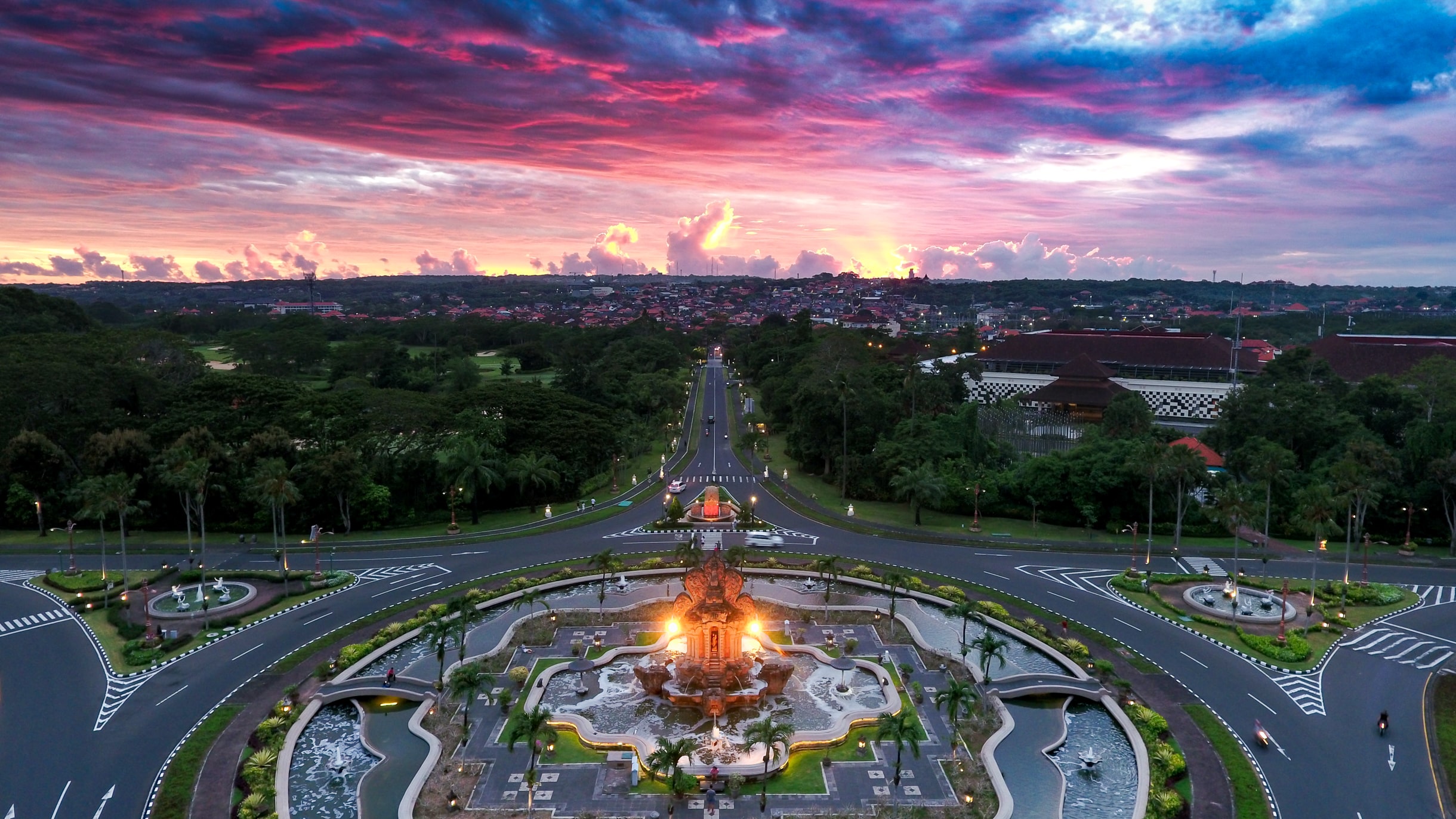
In terms of nature conservation, The Nusa Dua maintains approximately 97 hectares of green open space, accounting for 27 percent of the total area, with more than 5,700 trees representing 138 vegetation species. Coastal conservation efforts are also carried out through collaborative mangrove planting initiatives in the Pudut area in partnership with the UPTD Ngurah Rai Grand Forest Park. These initiatives form part of efforts to protect coastal ecosystems, preserve biodiversity, and strengthen environmental resilience against the impacts of climate change.
Beyond environmental considerations, ITDC also places social and cultural dimensions at the heart of destination sustainability. Engagement with tenants, local business operators, surrounding communities, and various stakeholders forms an integral part of its inclusive destination management approach.
Through tenant capacity-building programs, MSME empowerment, local cultural preservation, and business ecosystem development, ITDC encourages tourism growth to generate economic opportunities and deliver broader benefits to the community. All these initiatives are reinforced through the development of The Nusa Dua Sustainability Strategy 2026–2030, which serves as the direction for the destination’s medium-term development.
This strategy reflects ITDC’s commitment to continuously transforming The Nusa Dua into a world-class tourism destination that is greener, more inclusive, resilient, and responsibly managed.
Ahmad Fajar further explained that sustainability requires consistency and collaboration among all parties, including destination managers, tenants, business operators, communities, government institutions, and strategic partners.
“We believe that a globally competitive destination is not merely one that offers natural beauty and high-quality facilities, but also one that demonstrates responsibility in protecting the environment and creating added value for the community. Therefore, ITDC will continue to encourage collaboration and innovation to ensure that sustainable tourism practices become an integral part of the destination’s management culture, rather than merely a program or a short-term achievement,” he stated.
These various initiatives form part of ITDC’s commitment to optimizing resource efficiency, minimizing environmental impacts, and promoting the implementation of circular economy principles in the management of The Nusa Dua.
With more than five decades of experience, ITDC believes that the future of tourism is determined not only by how beautiful a destination is, but also by how responsibly it is managed. Natural beauty must go hand in hand with conservation efforts, economic growth must benefit communities, and the quality of tourism experiences must be supported by sustainable governance.
“ITDC will continue to strengthen the implementation of sustainable tourism principles at The Nusa Dua. From Bali to the world, The Nusa Dua conveys the message that natural beauty, economic growth, community welfare, and environmental preservation can flourish in harmony. After all, a world-class destination is not merely about what can be enjoyed today, but also about the valuable legacy that can be protected and passed on to future generations,” concluded Ahmad Fajar.